
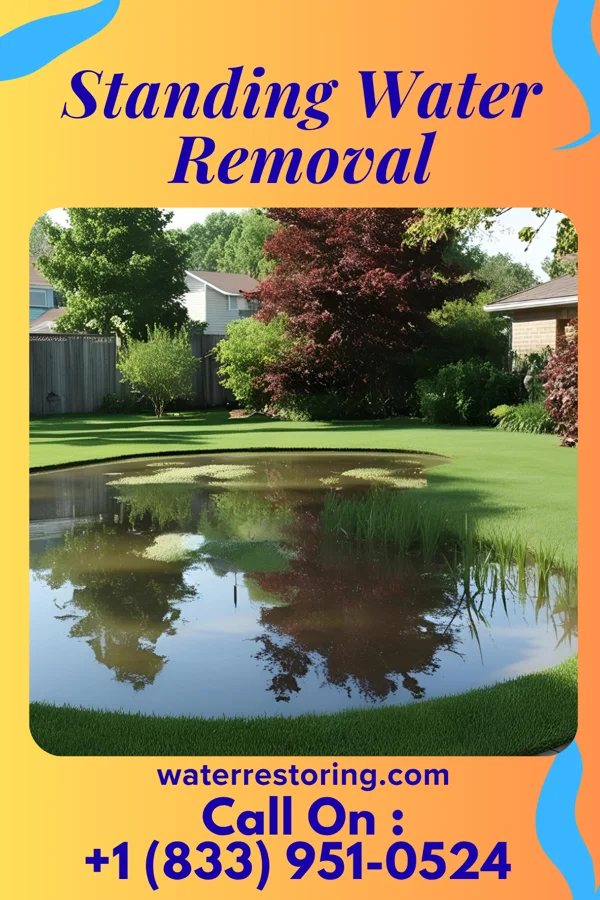
Why Fairview Standing Water Demands Fast Removal
Most water damage emergencies in Fairview start with In Fairview, Montana, the primary water damage cause is often related to agricultural runoff and seasonal flooding due to the area's flat terrain and proximity to the Missouri River. Additionally, heavy spring snowmelt can lead to sudden water accumulation in low-lying areas, particularly near East Fairview and Sidney, MT.. A close second is Secondary causes include leaks from rural water systems, septic tank failures, and equipment malfunctions in barns and farm buildings. These issues are common in the rural setting of Richland County, where many properties are spread out and less equipped for immediate response.. From the second water touches the property, every minute changes what gets saved and what gets ripped out.
Fairview's climate, characterized by cold winters and warm summers, increases the risk of frozen pipes during winter months and rapid water absorption in spring. This climate pattern can lead to sudden water damage events that require quick and effective mitigation.
Most standing water removal calls in Fairview come from In Fairview, Montana, the primary water damage cause is often related to agricultural runoff and seasonal flooding due to the area's flat terrain and proximity to the Missouri River. Additionally, heavy spring snowmelt can lead to sudden water accumulation in low-lying areas, particularly near East Fairview and Sidney, MT.. Running a close second is Secondary causes include leaks from rural water systems, septic tank failures, and equipment malfunctions in barns and farm buildings. These issues are common in the rural setting of Richland County, where many properties are spread out and less equipped for immediate response.. Local mold risk: Mold growth in Fairview can occur rapidly due to the region's humidity levels and frequent rainfall, especially in the spring and early summer. Prompt water removal is critical to prevent mold from taking hold in homes and farm structures.